
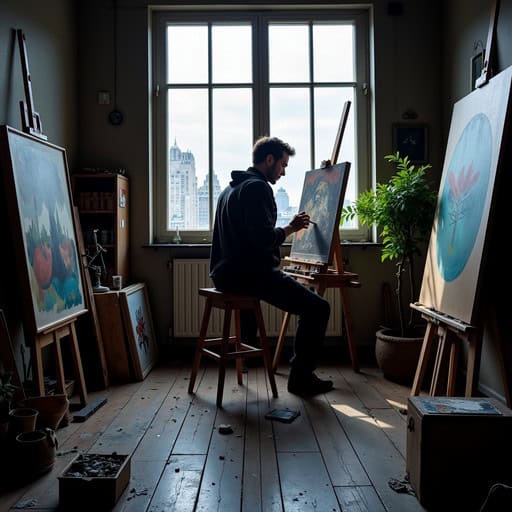
The Emotional Challenges of an Unpredictable Performing Arts Career
Unlike many traditional professions, performing arts careers rarely follow a predictable routine. A musician might spend weeks preparing for a tour and then face months without consistent work. An actor may attend numerous auditions without receiving an offer. Dancers can experience demanding performance seasons followed by periods of limited employment.
Although these experiences are common in the industry, the uncertainty can take a serious emotional toll. Artists may find themselves questioning their abilities, worrying about their financial future, or comparing their progress with colleagues who appear to have more opportunities.
Over time, these pressures can contribute to anxiety, low mood, exhaustion, and reduced confidence. When emotional strain becomes difficult to manage, some performers may turn to alcohol or drugs for temporary relief.
Recognizing these challenges is important because mental health and addiction concerns deserve attention before they begin affecting every part of an artist’s life.
How Career Uncertainty Affects Mental Health
Creative work often involves placing personal effort, identity, and emotion into something that others will evaluate. An audition rejection or cancelled performance can therefore feel more personal than an ordinary professional setback.
Several aspects of an unpredictable career can affect an artist’s emotional well being.
Financial Stress and Constant Worry
Irregular income can make it difficult to plan for rent, bills, healthcare, and everyday expenses. Even talented performers may experience periods when opportunities are limited.
Financial pressure can interfere with sleep and concentration. It may also make it harder to take time off, seek professional support, or maintain healthy routines. Artists who feel they must accept every opportunity may become physically and emotionally exhausted.
Rejection, Self Doubt, and Performance Anxiety
Auditions and creative evaluations involve repeated exposure to criticism and rejection. Not receiving a role or losing a contract does not necessarily reflect an artist’s talent. However, repeated disappointments can gradually affect self esteem.
Some performers begin to associate their personal worth with professional success. They may feel anxious before auditions, struggle to enjoy their work, or become afraid of making mistakes.
Without healthy ways to process these emotions, stress can build and contribute to more serious mental health difficulties.
H3: Isolation Between Projects
Performing artists often develop strong connections with cast members, musicians, production teams, and audiences. When a project ends, those daily relationships may suddenly disappear.
Periods between gigs can feel isolating, particularly for people who relocate frequently or work in different cities. Without regular social contact, feelings of loneliness may become more difficult to manage.
Maintaining supportive relationships outside the workplace can help artists feel connected even when professional activity slows down.
The Connection Between Career Pressure and Addiction
Not every performer who experiences career uncertainty will develop an addiction. However, the combination of financial stress, emotional pressure, irregular sleep, and demanding social environments can create circumstances in which unhealthy coping patterns develop.
When Alcohol or Drugs Become a Coping Mechanism
Some artists use alcohol or other substances to relax after performances, manage anxiety before auditions, or temporarily escape disappointment. Others may believe substances help them feel more confident, creative, or comfortable in social situations.
The problem is that temporary relief can gradually become a repeated habit. A performer who initially drinks after a difficult audition may begin relying on alcohol whenever professional life feels overwhelming.
Over time, substance use can affect judgment, concentration, physical health, relationships, and the ability to meet professional responsibilities. It can also intensify anxiety and depression rather than resolve the underlying problems.
The Impact of Co Occurring Mental Health Conditions
Addiction and mental health concerns can influence one another. An artist experiencing depression, anxiety, trauma related symptoms, or chronic stress may use substances in an attempt to manage difficult emotions.
At the same time, substance use can worsen existing mental health symptoms or create additional problems. This relationship is sometimes described as a co occurring disorder when a substance use disorder and another mental health condition are present together.
Effective treatment should consider both concerns rather than focusing exclusively on substance use. Understanding the emotional experiences behind the behaviour can help create a more useful and sustainable recovery plan.
Recognizing When Stress Is Becoming a Bigger Problem
Career uncertainty is part of many performing arts professions. However, certain changes may indicate that an artist needs additional support.
Warning signs can include:
- Drinking or using drugs more frequently to manage work related stress.
- Feeling unable to relax or sleep without alcohol or other substances.
- Experiencing persistent anxiety, sadness, irritability, or hopelessness.
- Avoiding friends, family members, or professional commitments.
- Losing interest in creative activities that once felt meaningful.
- Struggling to control substance use despite negative consequences.
- Finding that relationships, finances, or physical health are deteriorating.
These signs should not be dismissed as simply part of a demanding creative career. Reaching out for professional guidance can help identify what is happening and determine the appropriate level of care.
Building Healthier Ways to Manage Life Between Gigs
Artists do not need to wait until a crisis develops before taking steps to protect their mental health. Practical habits can provide stability during periods when professional opportunities are uncertain.
Create a Routine That Does Not Depend on Work
A flexible daily routine can help bring structure to an unpredictable career. Regular sleep, balanced meals, physical activity, and planned periods of rest support both physical and emotional health.
Setting realistic goals outside auditions and performances can also help. For example, an artist might dedicate time to learning a new skill, organizing finances, practising an instrument, or completing a personal creative project.
These activities provide a sense of progress that does not depend entirely on receiving professional approval.
Maintain Relationships Outside the Industry
Friends and family members who are not directly involved in the performing arts can offer a different perspective during difficult periods. They may help performers remember that their identity and value extend beyond their latest role, contract, or performance.
Peer support groups can also provide opportunities to connect with people who understand the pressures of creative work. If substance use has become a concern, recovery focused groups may offer additional encouragement and accountability.
Make Space for Emotional Support
Speaking with a qualified mental health professional can help artists understand their reactions to rejection, financial uncertainty, and career stress.
Therapy may address anxiety, depression, negative thought patterns, unresolved trauma, and other concerns that affect emotional well being. It can also help performers develop healthier coping strategies instead of relying on alcohol or drugs.
How Individualized Addiction Treatment Supports Performing Artists
When substance use begins affecting an artist’s health, relationships, or career, professional addiction treatment can provide an important opportunity for change.
There is no single treatment approach that works for everyone. A person’s needs may depend on the substances involved, the severity of the addiction, mental health concerns, physical health, personal responsibilities, and recovery goals.
Individualized treatment considers these factors when developing a plan.
Inpatient Treatment for Structure and Focus
Inpatient addiction treatment can provide a structured environment for people who need more intensive support. Depending on the program, care may include medical supervision, individual therapy, group counselling, mental health services, and relapse prevention planning.
For an artist whose daily environment includes frequent exposure to alcohol, drugs, or intense professional pressure, stepping away from those circumstances may create room to focus on recovery.
Medical assessment is especially important when withdrawal may be involved. Some substances can cause serious withdrawal complications, so stopping suddenly without appropriate medical guidance may be unsafe.
Outpatient Treatment That Accommodates Everyday Responsibilities
Outpatient treatment allows eligible individuals to receive professional support while continuing to live at home. Depending on the level of care, appointments may include counselling, group sessions, mental health support, and ongoing recovery planning.
This option may be appropriate for performers who have stable living arrangements and responsibilities they need to maintain. However, the right level of treatment should always be determined through a professional assessment.
Holistic and Faith Based Support
Recovery involves more than stopping substance use. It also means developing healthier ways to manage stress, reconnect with personal values, and improve everyday well being.
Holistic services may include mindfulness, meditation, physical activity, nutritional guidance, relaxation techniques, and creative activities. These practices can complement clinical treatment by supporting healthy routines and emotional balance.
For individuals who value spirituality, faith based support may also provide a meaningful source of hope, purpose, and community. Spiritual care should respect each person’s beliefs and remain part of an individualized treatment approach.
Recovery Does Not Mean Giving Up a Creative Career
One common concern among performing artists is that seeking addiction treatment could mean losing their identity, creative abilities, or professional future. In reality, recovery does not require abandoning a meaningful career.
Addressing addiction and mental health concerns can help artists develop greater stability, improve concentration, strengthen relationships, and make decisions with more confidence.
Recovery may also help performers recognize that their worth is not determined by the number of auditions they pass, the size of an audience, or how frequently they are booked.
There may still be difficult periods, rejected opportunities, and financial uncertainty. However, having healthy coping strategies and reliable support can make those experiences easier to manage without returning to harmful behaviours.
A sustainable creative life allows room for professional ambition while also protecting personal health.
Take the Next Step Toward Better Mental Health and Recovery
Life between gigs and auditions can be emotionally demanding. Uncertain income, repeated rejection, isolation, and pressure to remain professionally competitive can affect an artist’s mental health. When alcohol or drugs become a way to manage these experiences, the consequences may extend far beyond the workplace.
Performers deserve support that recognizes the realities of their careers while addressing their individual treatment needs. Whether someone is dealing with anxiety, depression, substance use, or several challenges at once, professional help can provide a clearer path forward.
Inpatient and outpatient treatment, mental health counselling, holistic services, and faith based support may all play a role in an appropriate recovery plan. The first step is being honest about the difficulties and reaching out for guidance.
An artist’s life is about more than the next audition or performance. With the right support, it is possible to protect personal well being, rebuild confidence, and continue pursuing creative goals with a healthier foundation.