
 The performing arts inspire audiences through powerful storytelling, music, movement, and creativity. Behind every memorable performance is an artist who has dedicated countless hours to developing their craft. While the public often sees confidence and success, many musicians, actors, and dancers quietly struggle with mental health challenges and substance use. The emotional demands of creative work, combined with the pressures of the industry, can increase the risk of addiction. Understanding these hidden struggles is an important step toward encouraging recovery, reducing stigma, and helping artists build healthier, more balanced lives.
At levneubytovanibeskydy.info, addiction recovery is centered on compassionate, individualized care. By combining evidence based treatment with holistic therapies, mental health support, and inpatient and outpatient programs, individuals receive comprehensive care that promotes lasting healing.
Why Performing Artists Face Unique Challenges
Creative careers offer meaningful opportunities for self expression, but they also come with pressures that are unlike those found in many other professions.
Living with Constant Expectations
Performing artists often work in highly competitive environments where success depends on auditions, reviews, audience reactions, and professional reputation. Every performance can feel like an opportunity that must not be missed.
This constant pressure can contribute to anxiety, stress, and emotional exhaustion. Over time, some individuals begin using alcohol or drugs to cope with these overwhelming feelings.
Emotional Vulnerability Supports Creativity
Artists frequently draw upon personal experiences and emotions to create authentic performances. Emotional openness is one of the qualities that makes creative work so powerful. However, constantly accessing intense emotions without healthy boundaries can increase vulnerability to depression, anxiety, and burnout.
Understanding the Connection Between Mental Health and Substance Use
Mental health conditions and addiction often influence one another. Addressing both is essential for successful recovery.
Anxiety and Depression Can Increase Addiction Risk
Many performers experience anxiety before performances or while navigating uncertain careers. Depression may develop from repeated rejection, financial stress, or feelings of isolation despite public recognition.
Without appropriate treatment, some artists attempt to manage emotional pain through alcohol or drugs. Although substances may provide temporary relief, they frequently worsen mental health symptoms over time.
Self Medication Creates a Harmful Cycle
Using substances to cope with emotional distress rarely solves the underlying problem. Instead, dependence can gradually develop while anxiety and depression become more difficult to manage.
Breaking this cycle requires professional treatment that focuses on both emotional wellness and addiction recovery.
The Importance of Individualized Treatment
Every recovery journey is different. Personalized treatment plans help ensure that care reflects each individual’s experiences, goals, and challenges.
Inpatient Programs Provide Stability
Inpatient treatment offers a structured environment where individuals can focus entirely on recovery. Medical supervision, therapy, and daily support allow artists to step away from external pressures while building healthy routines.
For many people, this focused level of care creates the foundation needed for long term healing.
Outpatient Care Supports Continued Independence
Outpatient treatment allows individuals to continue managing work, family responsibilities, or creative pursuits while receiving professional care. This flexibility helps many artists maintain balance while continuing their recovery journey.
Holistic Healing Strengthens Recovery
Lasting recovery involves more than achieving sobriety. It requires healing the mind, body, and spirit.
Holistic Therapies Promote Emotional Wellness
Mindfulness, meditation, physical activity, nutritional counseling, and creative therapies help individuals manage stress and develop healthier coping strategies. These approaches encourage emotional balance while allowing artists to reconnect with their creativity in positive ways.
Faith Based Care Provides Hope
For those who value spiritual growth, faith based treatment can become an important part of recovery. Spiritual guidance often provides comfort, purpose, and resilience during difficult moments, helping individuals maintain hope throughout the healing process.
Building Healthy Coping Skills for the Future
Recovery includes learning practical ways to manage life’s challenges without relying on substances.
Healthy coping skills may include establishing consistent routines, practicing relaxation techniques, maintaining supportive relationships, participating in therapy, and setting realistic expectations. These habits strengthen emotional resilience and reduce the likelihood of relapse.
Developing a strong support system is equally important. Family members, trusted friends, counselors, and recovery communities all play valuable roles in helping individuals maintain long term wellness.
Recovery Allows Creativity to Flourish
Many artists worry that recovery will diminish their creativity. In reality, lasting sobriety often allows creativity to grow stronger. Improved mental clarity, emotional stability, and physical health provide a healthier foundation for artistic expression.
At levneubytovanibeskydy.info, recovery is viewed as an opportunity to rediscover purpose, rebuild confidence, and create a future that is no longer controlled by addiction. Through individualized treatment, comprehensive mental health care, holistic therapies, and faith based support, individuals can achieve meaningful and lasting change.
If you or someone you love is struggling with substance use or mental health challenges, seeking professional help can be the beginning of a new chapter. With compassionate guidance and personalized care, recovery is possible. Healing allows artists to continue sharing their gifts with the world while living healthier, more balanced, and more fulfilling lives.
 The performing arts industry inspires audiences with unforgettable performances, emotional storytelling, and extraordinary talent. Musicians, actors, dancers, and other performers often appear to live exciting and rewarding lives. However, behind the fame lies a reality that is far more demanding than many people realize. Constant pressure, public scrutiny, and emotional exhaustion can contribute to mental health challenges and increase the risk of substance use. Understanding these unique struggles is essential for helping artists find lasting recovery through compassionate, individualized care.
 The world of performing arts is often associated with passion, creativity, and success. Audiences see the finished performance, the confidence on stage, and the emotional connection created through music, acting, and dance. However, behind the applause, many musicians, actors, and dancers face personal struggles that are rarely visible. The pressure to succeed, emotional demands, and unpredictable nature of the industry can increase the risk of addiction and mental health challenges. Understanding these struggles is an important step toward providing compassionate support and effective recovery solutions.
 Performing artists are often admired for their creativity, discipline, and emotional expression. From musicians and actors to dancers, their work brings stories and emotions to life in ways that deeply connect with audiences. Yet behind the spotlight, many artists experience intense pressure, emotional strain, and mental health challenges that can increase the risk of substance use and addiction. Understanding these risks is an important step toward compassion, early intervention, and effective recovery.
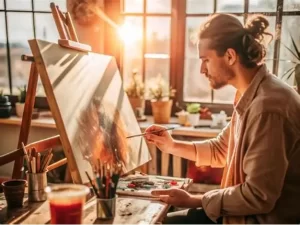 The world of performing arts often appears vibrant, inspiring, and full of creative energy. Musicians, actors, and dancers are celebrated for their ability to move audiences and bring stories to life. Yet behind the curtain, many individuals in the arts face significant mental health challenges and a higher risk of substance use. These struggles are often hidden from public view, making awareness and compassionate support essential for long-term recovery.
 Performing artists are often celebrated for their talent, discipline, and emotional expression. On stage, they appear confident and composed, delivering performances that move audiences. However, behind the curtain, many musicians, actors, and dancers face overwhelming pressure that can contribute to substance use and addiction. Understanding these challenges is essential for creating compassionate, effective pathways to recovery and long-term mental wellness.

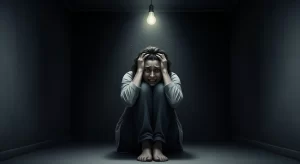 For musicians, actors, and dancers, life in the spotlight can look glamorous from the outside. Applause, recognition, and creative expression often define their public image. However, behind the performances, many artists experience intense pressure, emotional strain, and mental health challenges that increase the risk of addiction. Understanding why these risks are higher in the performing arts is an important step toward compassionate, effective recovery and long-term well-being.
 Performing artists often appear confident, expressive, and emotionally in control when they step into the spotlight. Musicians, actors, and dancers bring stories to life in ways that deeply move audiences. However, behind the performances, many face intense psychological pressure, emotional strain, and lifestyle instability that can increase the risk of substance use and addiction. Understanding why performing artists are more vulnerable is essential for creating effective, compassionate pathways to recovery and long-term healing.
